Insights and guides

Show filters

Hide filters

Topic

Content type

Country

Clear all

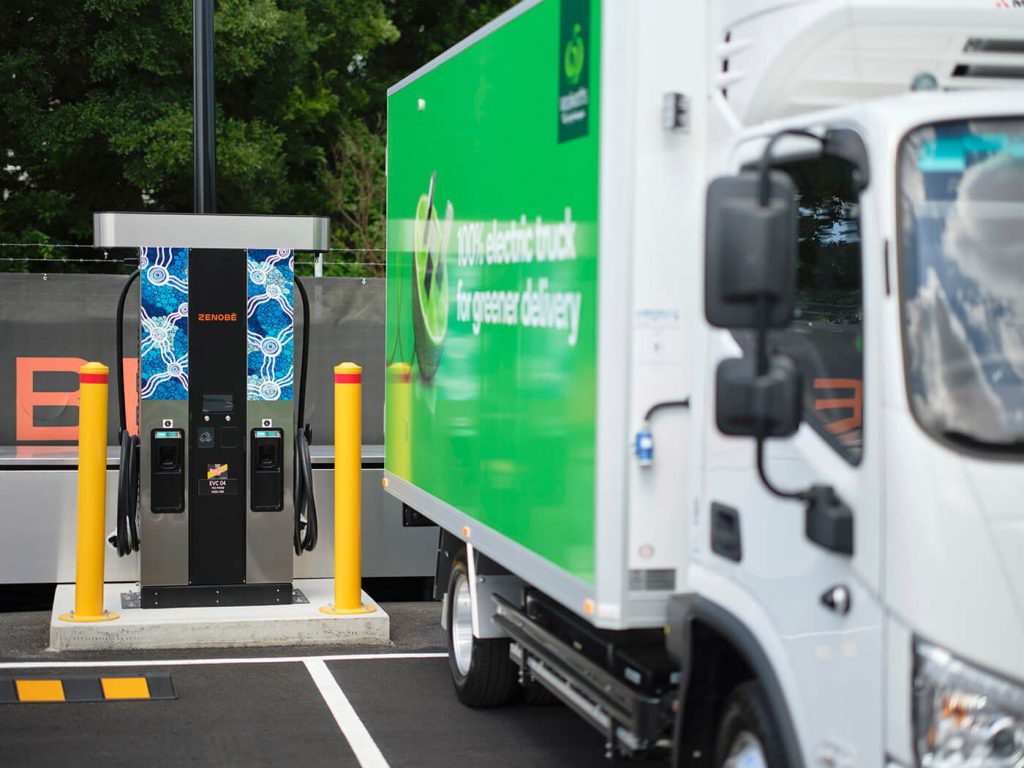
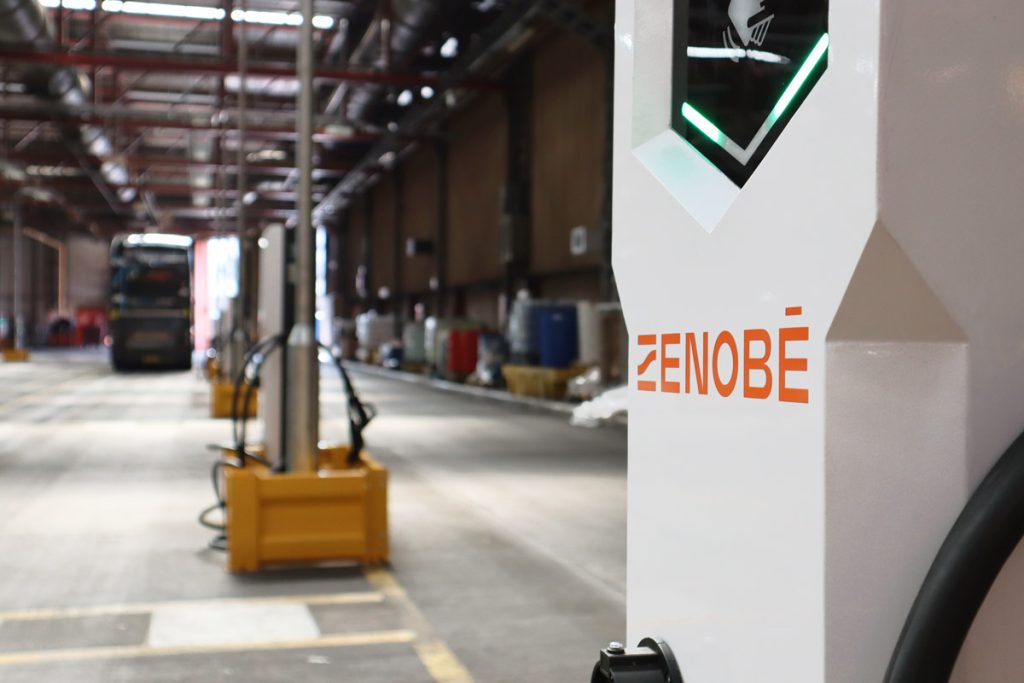
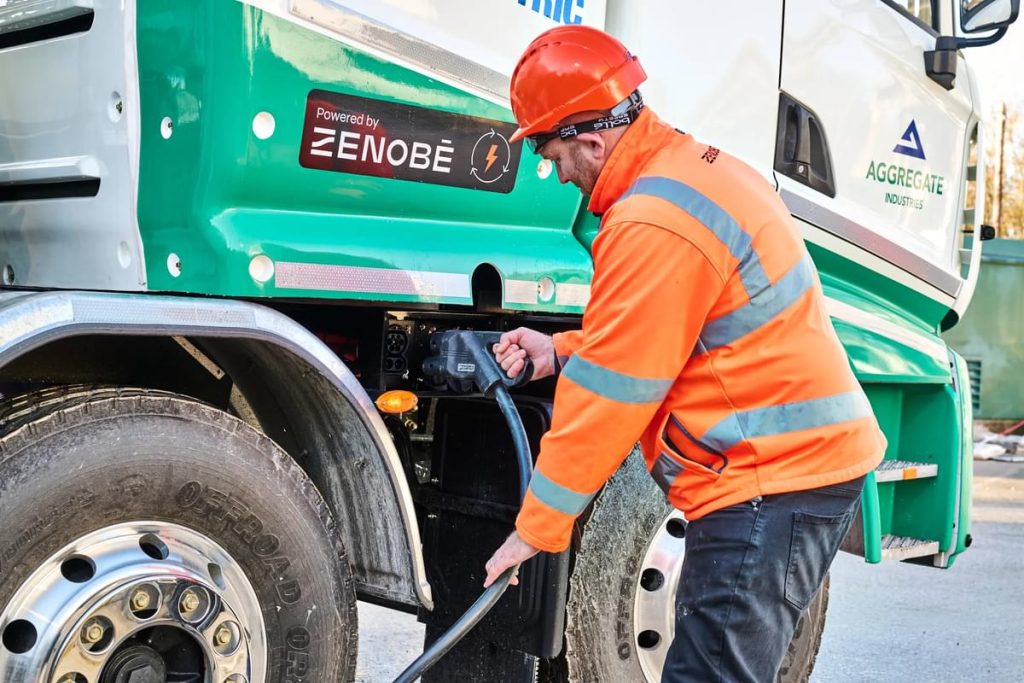
Close-up of an electric delivery truck connected to a Zenobē charger at a Woolworths shared charging hub in Australia, showing charging unit and cab detail.

$100 million truck electrification funding: EOI

$100 million truck electrification funding: Expression of Interest Zenobē Fleet Electrification Program Zenobē is inviting Expressions of Interest (EOIs) from heavy vehicle fleet operators across Australia to access a $100 million truck electrification funding program.    This initiative supports medium and large commercial fleets transitioning to zero-emission transport by removing upfront cost barriers and simplifying the electrification process.  Why participate in the truck electrification program? Electrifying fleets can reduce exposure to energy price volatility and risks surrounding outdated technology and residual values.     This $100 million truck electrification funding program is specifically designed to make electrification accessible, scalable and cost-effective for medium and large heavy commercial fleets in Australia. What’s the purpose of the program? Unlike traditional grant programs, Zenobē will provide a fully integrated, long-term solution, based on its experience electrifying Australian fleets since 2020.    The design of the program will ensure:  Zero upfront infrastructure costs  No upfront capital costs for vehicles or charging assets  Reduced peak electricity demand and lower operating costs  End-to-end project accountability, from design to operation No-cost feasibility, design, and commercial proposal development, with full pricing provided upfront for review prior to commitment Learn more about the Expression of Interest (EOI) and see how your fleet can benefit Download Who is the program

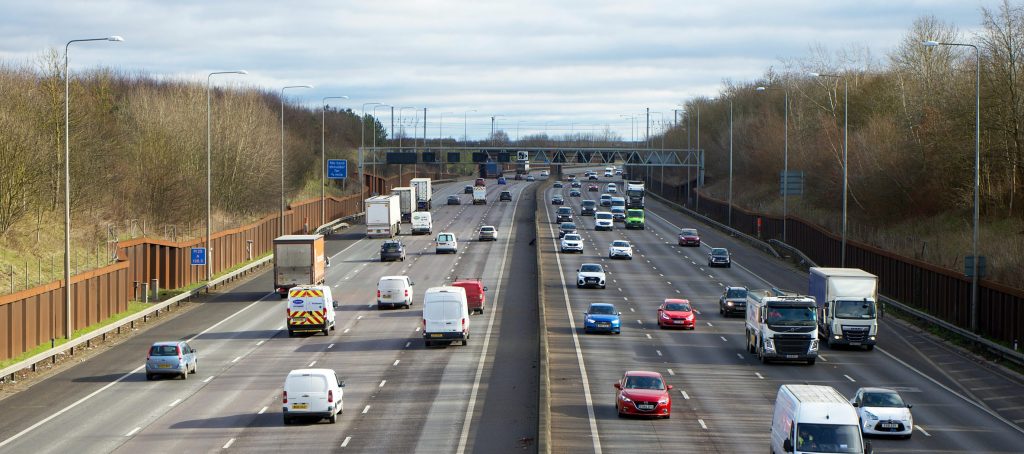
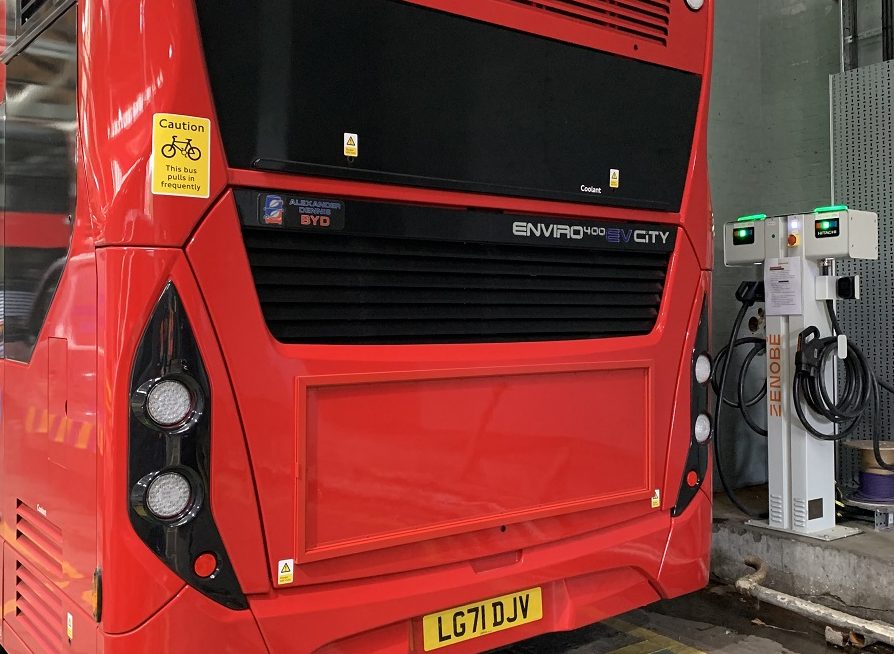
Photo of Zenobē EV charger at Leichhardt bus depot

Finance for electric fleets: an opportunity for success

Finance for electric fleets: an opportunity for success Fleet electrification across Canada remains an important initiative in many jurisdictions, driven by its tangible benefits and the support of government funding. However, recent shifts in policy and funding priorities create challenges that threaten to decelerate this transition. As a result, fleet operators and transit agencies face a disconnect between the urgency of their decarbonization goals and the financial tools available to achieve them. The higher up-front costs of electric vehicles and their associated infrastructure remain a hurdle. Zenobe’s fleet strategies can allow lifetime Total Cost of Ownership of electric fleets to approach parity with diesel-powered counterparts. Traditional lenders are hesitant to underwrite electric fleets due to those higher initial costs and perceived limited residual value, although the supporting data pool is growing with each passing day. Federal, provincial, local and utility programs offer partial support, yet many projects stall when funding falls short, or timelines stretch. But funding need not be a hurdle – it can instead be an opportunity to unlock the long-term value of your electric fleet. Zenobe is working with several transit and bus operators in Canada to bring these opportunities here. Unlocking private finance for electric fleets Backed by KKR and

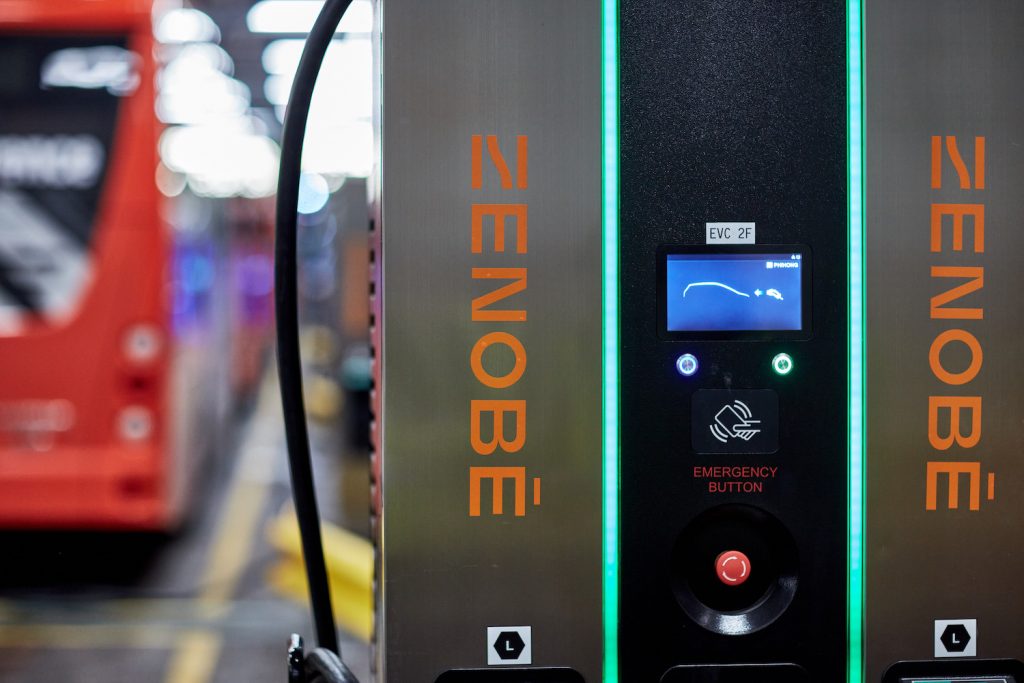
Bus operator using electric charger

Difficult Depots: A simple guide on what’s important for public authorities when electrifying vehicle fleets

Including zero emission buses (ZEBs) in a franchising strategy may seem expensive at first glance, but the long-term benefits tell a different story. From lower fuel and maintenance costs to longer asset life and better residual value, ZEBs not only improve environmental outcomes but offer better value for public money. A well-structured delivery model makes electrification not just feasible, but essential to a future-proofed transport network.

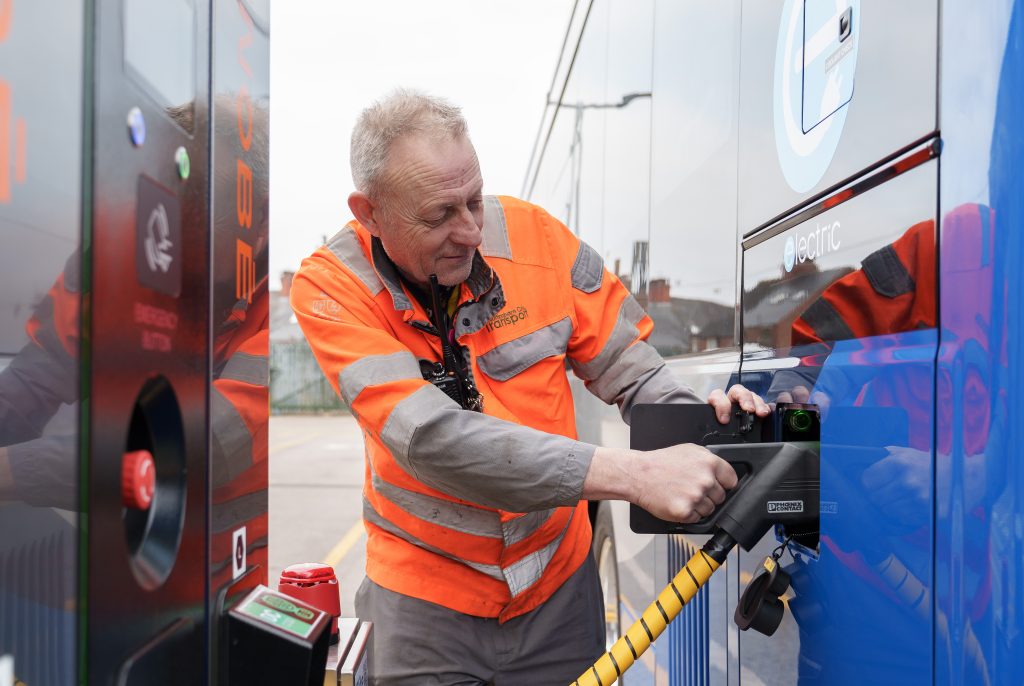
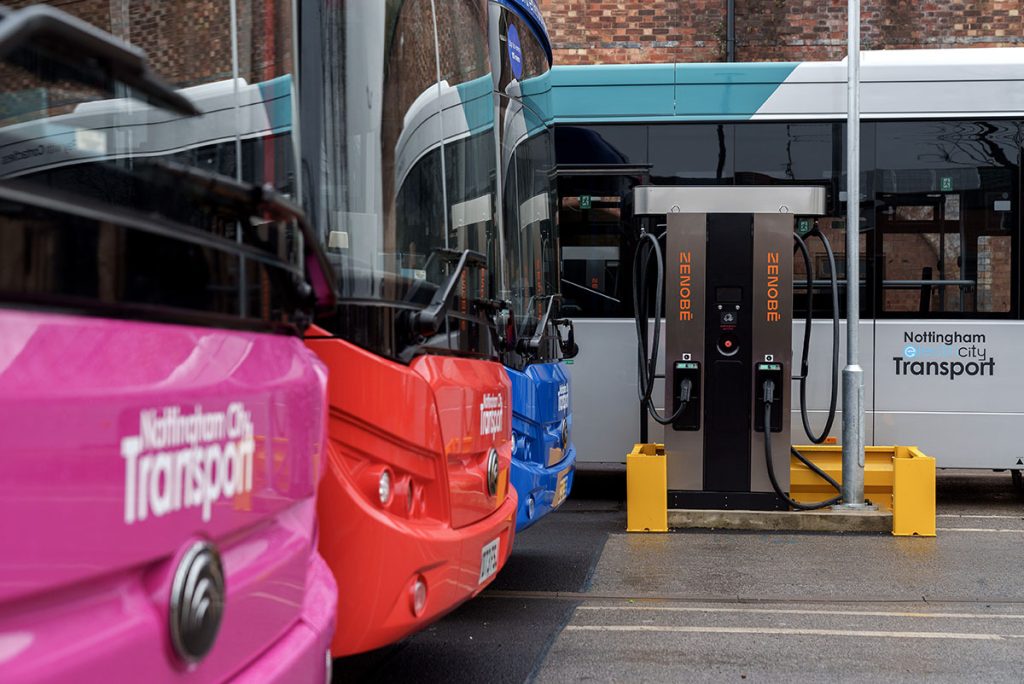
Electric bus being plugged into charger

Why zero emission buses must be part of the franchising strategy

Including zero emission buses (ZEBs) in a franchising strategy may seem expensive at first glance, but the long-term benefits tell a different story. From lower fuel and maintenance costs to longer asset life and better residual value, ZEBs not only improve environmental outcomes but offer better value for public money. A well-structured delivery model makes electrification not just feasible, but essential to a future-proofed transport network.

Woman writing on a note book

Driving the transition: rethinking electric fleet financing solutions for the U.S.

Driving the transition: rethinking electric fleet financing solutions for the U.S. The electrification transition: An opportunity for success while under pressure  Fleet electrification across the U.S. continues to gain traction, driven by its tangible advantages and state-level mandates. However, recent shifts in federal policy and funding priorities are poised to decelerate this transition. As a result, school bus, transit and heavy-duty fleet operators face a disconnect between the urgency of their decarbonization goals and the financial tools available to achieve them.  The higher up-front costs of electric vehicles and their associated infrastructure remain a hurdle. Competitive pricing for electric fleets doesn’t yet match that of its diesel-powered counterparts. Traditional lenders are hesitant to underwrite electric fleets due to those higher initial costs and perceived limited residual value, although the supporting data pool is growing with each passing day.   In fact, in our battery management white paper we explain how to maximize residual value in a number of ways. CALSTART’s Innovative Financing Toolkit also includes an explainer on residual value that we contributed to, and which recommends an industry standard for residual value calculations that lenders can apply to make underwriting more viable and financing more affordable.    State, local and utility programs

Models for fleet electrification

Fleet decarbonisation faces many barriers, including high capital costs. Rapidly, international stakeholders are developing policies and business models to overcome this barrier – we take a look.

Contact us

Want to learn more? Contact us

Contact us

Thanks for getting in touch – we’ll respond as soon as possible. You can also reach us on contact@zenobe.com

We will use your information to respond to your enquiry. For more information on how we handle your data, please see our privacy policy.

Peter Smith

Head of Product

Pete leads Zenobē’s growing team of Product specialists across all areas of the business. His team oversee our R&D as well as product development in both hardware and software.
 

He has been working in the European E-Mobility sector from over ten years, specialising in the design, build and delivery of software systems for EV Charging.