
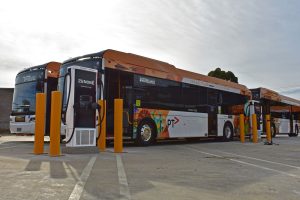
Ivanhoe: Victoria’s first all-electric bus depot
Ventura & Zenobē developed Victoria’s first all-electric bus depot, with 27 electric buses, infrastructure, and smart technology integration.
Woolworths, Australia’s largest grocery brand, wanted to electrify their fleet of 4.5-tonne last-mile delivery trucks at one of its major distribution centres in Sydney. However, fulfilling their charging needs at that site wasn’t possible due to space and power constraints. They needed an innovative solution.
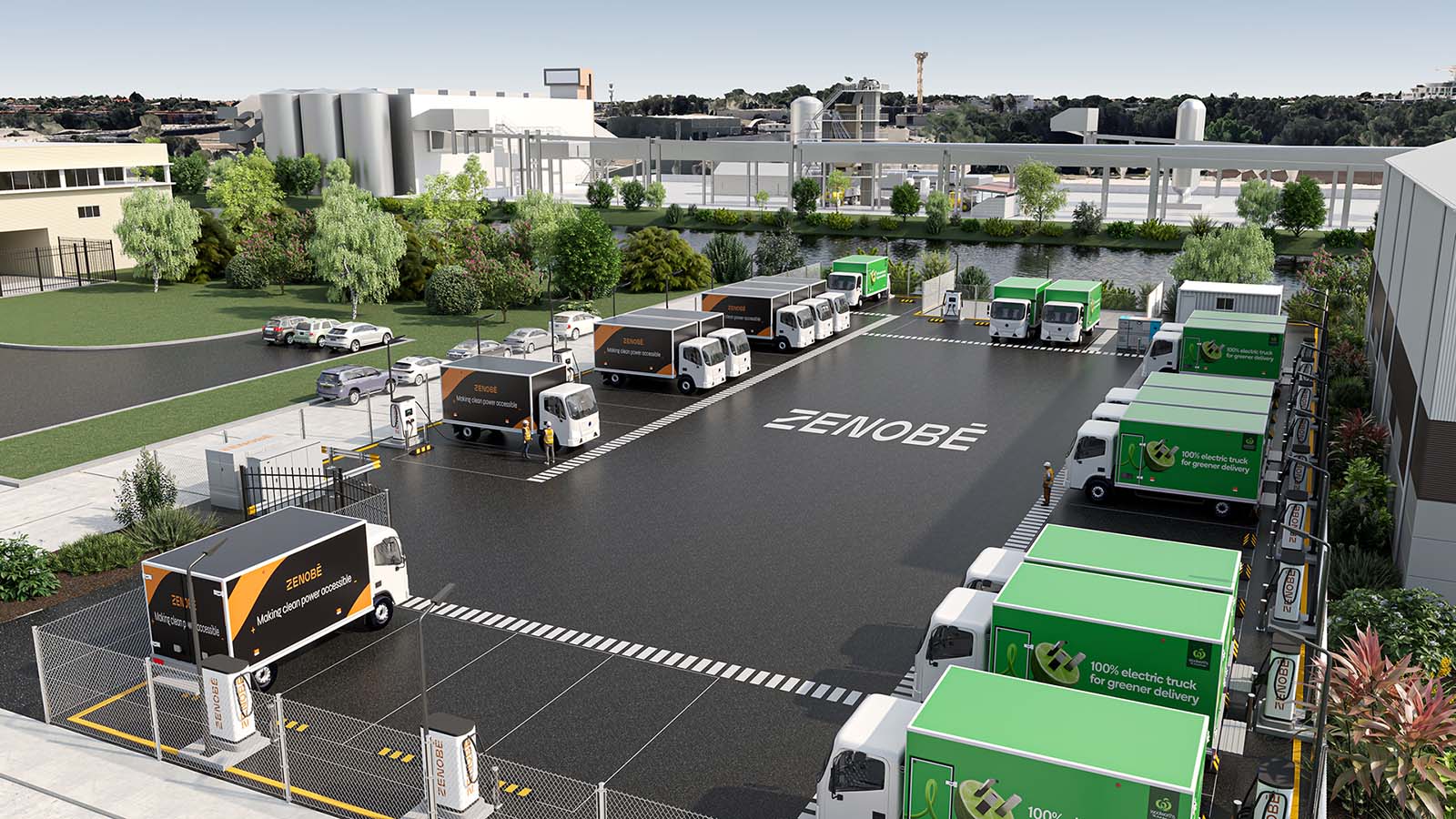
Zenobē has built a private off-site charging hub to allow different commercial fleet operators to charge their vehicles. The site will be the charging point for Woolworths’ new electric fleet, for whom Zenobē is also leasing the electric trucks – taking away the risk of battery technology and minimising the CapEx investment that would otherwise have been needed to deploy the fleet.
Woolworths pays a monthly fee for the electric vehicles and their charging at the hub, benefitting from operational and maintenance guarantees, in an ‘all-in’ agreement known as Electric Vehicle as a Service, or EVaaS.
This is a model Zenobē has wide experience in, taking on the investment risk for bus, truck, and fleet companies across the world.
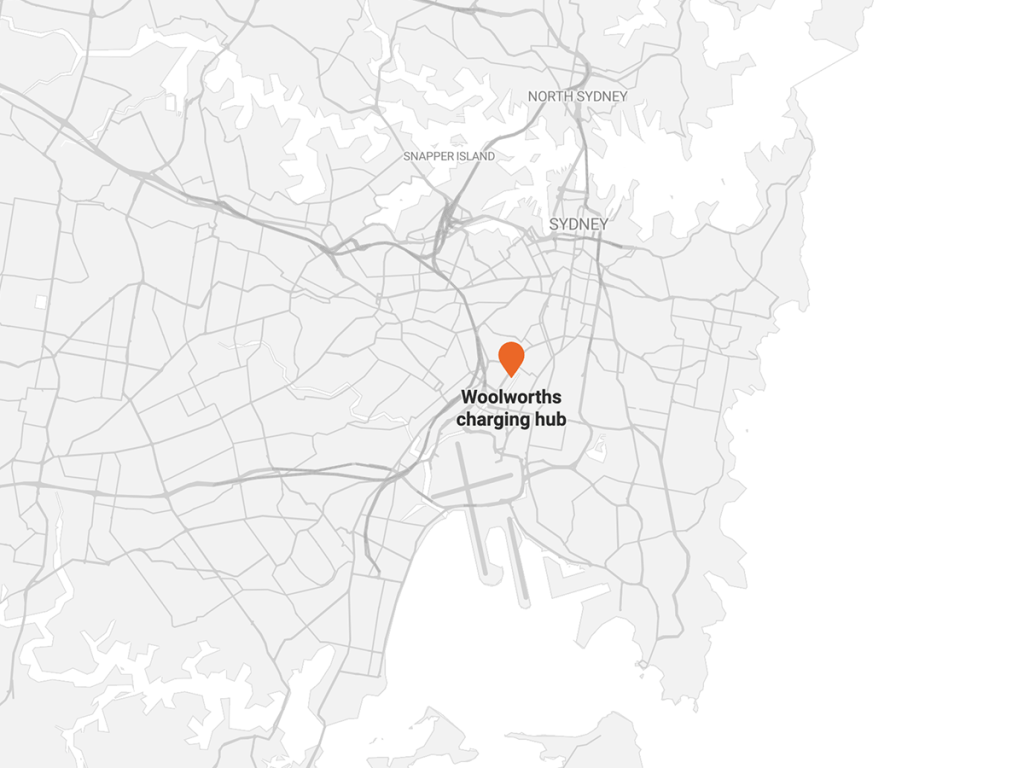
The project has catalysed electric vehicle charging in Mascot, Sydney, not only for Woolworths, but also for businesses in the logistics and fleet industries in the area that would otherwise struggle to charge vehicles at their own sites. They can now rent charging points on an exclusive or non-exclusive basis.
The project overcomes the Total Cost of Ownership (TC) challenge for fleet operators by bringing together Zenobē’s innovative financing model with ARENA’s ‘Driving the Nation’ grant funding. This combination helps reduce the capital difference between a diesel and electric truck, and the savings on EV running costs, such as fuel and maintenance, give the offering a much closer total cost of ownership (TCO) to a diesel equivalent for the end user.

For Woolworths, the journey to deploy electric vehicles at their distribution centre in Mascot, south Sydney, began with an assessment of existing electrical infrastructure, space and operational patterns. Following analysis of their route and shift patterns, it quickly became apparent that they lacked enough space to fit charging infrastructure or enough power to meet the demand of the new EVs. Additionally, complexities around operational disruptions and approvals also made it challenging to deploy the electric fleet.
Another early step in specifying an electric depot is to understand the energy needs of the site. Zenobē indentified Woolworths’ peak power requirement by modelling and analysing charging programmes that match their existing operations. The grid connection at Woolworths existing site was not able to meet the requirement to charge the vehicles.
As a global electric fleet and battery storage specialist, Zenobē was able to solve these challenges by developing an off-site charging hub at a location close to Woolworth’s distribution centre. Zenobē unlocked the constraints* in the Mascot area to make electrification of Woolworths’ fleet possible. By sharing the facility and allowing other businesses in the area to access it, the costs and risks would be spread, ultimately driving the costs down for everyone involved.
*Where constraints included lack of funds, lack of space, and lack of power, Zenobē’s concept of a shared facility would spread the cost and the risk. And it brought its expertise to gain confidence and deliver a complex engineering project.
Yet, it wasn’t only Woolworths that faced challenges at their site. Mascot is the home to Sydney Airport, where there are significant power constraints due to high volumes of both on- and off-airport load usage as well as regulatory complexities. Businesses located close to the airport that wished to electrify their fleet would also benefit from an off-site solution.
With the prospect of a fully funded multi-user charging hub, Zenobē can show there is demand for this type of model and prove the business – and public funding – case.

Woolworths’ operations served a specific part of the city, so a charging facility in the Mascot area was a match. Zenobē needed to be sure there was demand from other businesses too, so evaluated the market as a first step. It found there was a requirement in the area, with some commercial fleets expressing an interest in exclusive use of some chargers. Others could make use of the hub more infrequently.
As the first project of its kind, Zenobē needed to find suitable land. Where would the facility be located? In a dense urban area, there were only a handful of vacant sites available. Each had to be evaluated and assessed on a variety of criteria: proximity to the warehouse, accessibility, availability of power, and more.
Brownfield land comes with an existing history and condition, and the location that was selected for the charging hub already had high voltage electrical infrastructure running underneath. It was through its electrical engineering expertise that Zenobē was able to accommodate this within its plans, ensuring the new infrastructure designs met all requirements by the Network Distributor as well as other major stakeholders.
Developments of this size require approval from the local city government, to ensure they’re well specified, and serve the needs of the community. As a result, plans were perfected through the Development Application (DA – or planning) process. Fortunately, technical expertise in Zenobē’s team ensured queries and amends were dealt with as quickly as possible – a very real hurdle for complex infrastructure projects across the world.
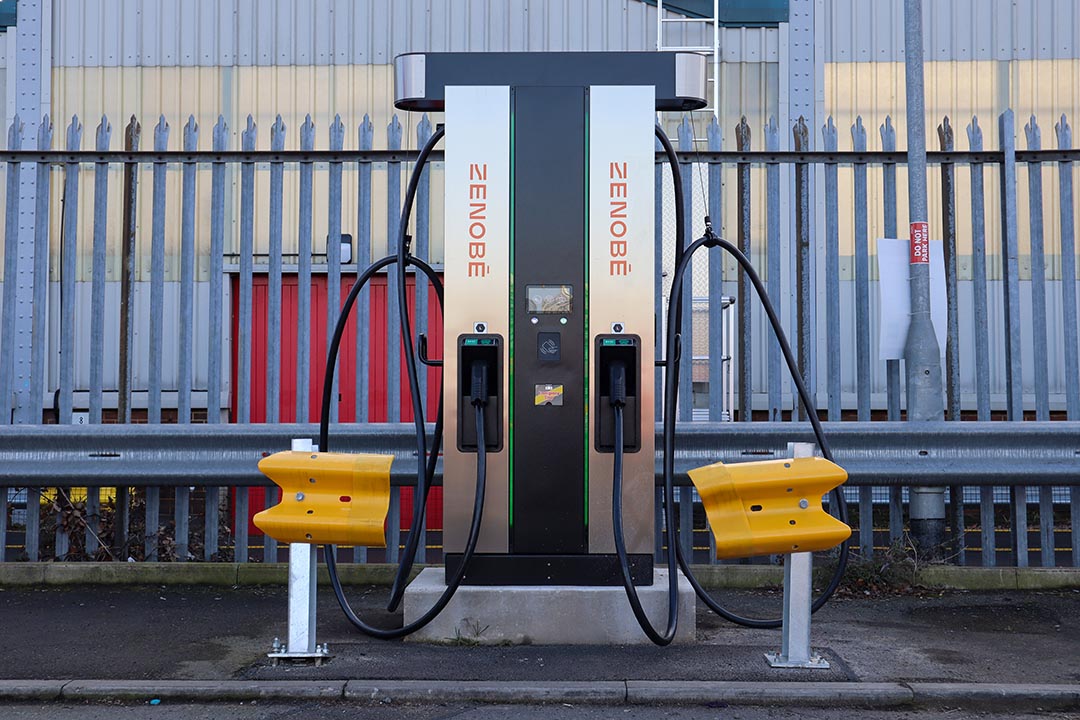
What about working out the right kind of chargers for the fleet of electric vehicles? What size are they, and where should they go? Any fleet owner wants to be sure the equipment and supporting infrastructure powering their operations is adequate at the very least, reliable, and that associated costs are minimised. For this project, Zenobē’s electrification expertise helped Woolworths reach the answers they needed.

The hub is available for those with electric vehicles to charge in a range of ways, making it a useful resource for companies to trial the technology during a period of change – all offered on a monthly fee basis.
The unique setup allows for flexible charging hire, with the following choices:
Potential users of the hub can evaluate the frequency of their charging need, alongside their fleet size. As an electric fleet grows, the charging requirement will increase – and the hub will be there to support it.
Woolworths, and other potential users of the Mascot site, have the opportunity to overcome high capital costs of purchasing vehicles outright, as Zenobē offers specialist financing options for vehicles, and provides guarantees to ensure operations continue unimpeded.

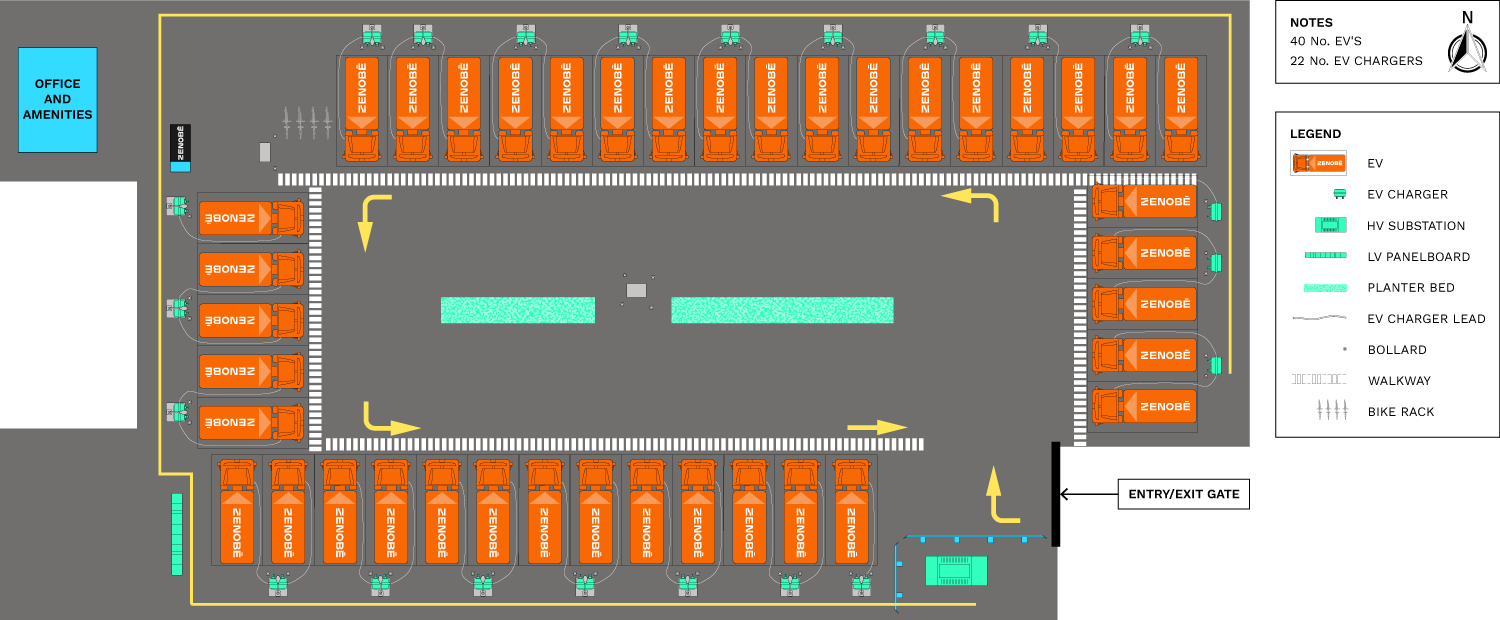
1MVA, 100kV grid connection
44 charging bays
Can accommodate vehicles of a weight up to 5 tonnes
22 DC chargers with a capacity of 120kW
Standalone units, with the inverter built in
‘Dual gun’ serving two vehicles at once
Supported by an onsite battery to provide additional power
Zenobē also provides award-winning smart charging software, and power procurement services. To request more information, fill out our form, and a team member will be in touch.

The electrification of commercial vehicle fleets is hugely challenging and needs innovative projects to catalyse progress overall. Zenobē is proud to deliver this shared charging hub alongside its various projects in Australia to date. We’re working to deliver new electric fleets and sites, to enable our clients to decarbonise while their operations continue without interruption.
In this case, public funds contributed to the cost of the electric charging site. ARENA’s ‘Driving the Nation’ funding programme enables adoption, and the reduction of hurdles to electrification, by supporting projects such as the Zenobē site that will make it easier for customers to access electric vehicle technology.
Zenobē’s track record in charging infrastructure, and in providing large electric vehicles, gave project leaders confidence in the proposal.
trucks electrified
grid connection
grant won
Ventura & Zenobē developed Victoria’s first all-electric bus depot, with 27 electric buses, infrastructure, and smart technology integration.
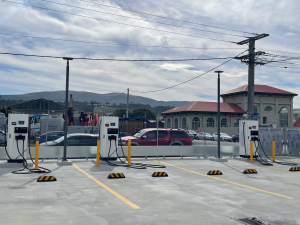
Zenobē worked with Ritchies to support the roll-out of 11 electric Yutong E10 vehicles to the streets and hilly suburbs of Dunedin, New Zealand.
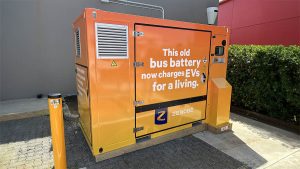
Zenobē and Z Energy trialled a second-life battery solution at Tom Pearce Drive, enabling 75kW EV charging without the need for costly grid upgrades.
Thanks for getting in touch – we’ll respond as soon as possible. You can also reach us on contact@zenobe.com

Pete leads Zenobē’s growing team of Product specialists across all areas of the business. His team oversee our R&D as well as product development in both hardware and software.
He has been working in the European E-Mobility sector from over ten years, specialising in the design, build and delivery of software systems for EV Charging.