
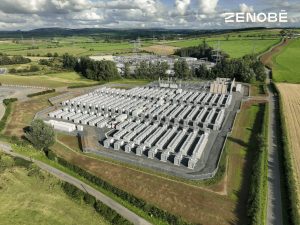
Kilmarnock South: Delivering Grid Stability with 300MW of Battery Storage
Kilmarnock South’s 300MW battery energy storage system delivers grid stability, and cuts curtailment, emissions and fossil fuel reliance in the UK.
50MW
the largest battery in Scotland once commissioned
388,000 tonnes
of CO2 saved from entering the atmosphere*
640GWh
more renewable generation able to travel north to south of the UK over the next 15 years
Zenobē’s 50MW battery in Wishaw, North Lanarkshire, is the first to connect directly to the transmission system in Scotland. This ensures security of power supply as the country moves to nearly total renewable energy.
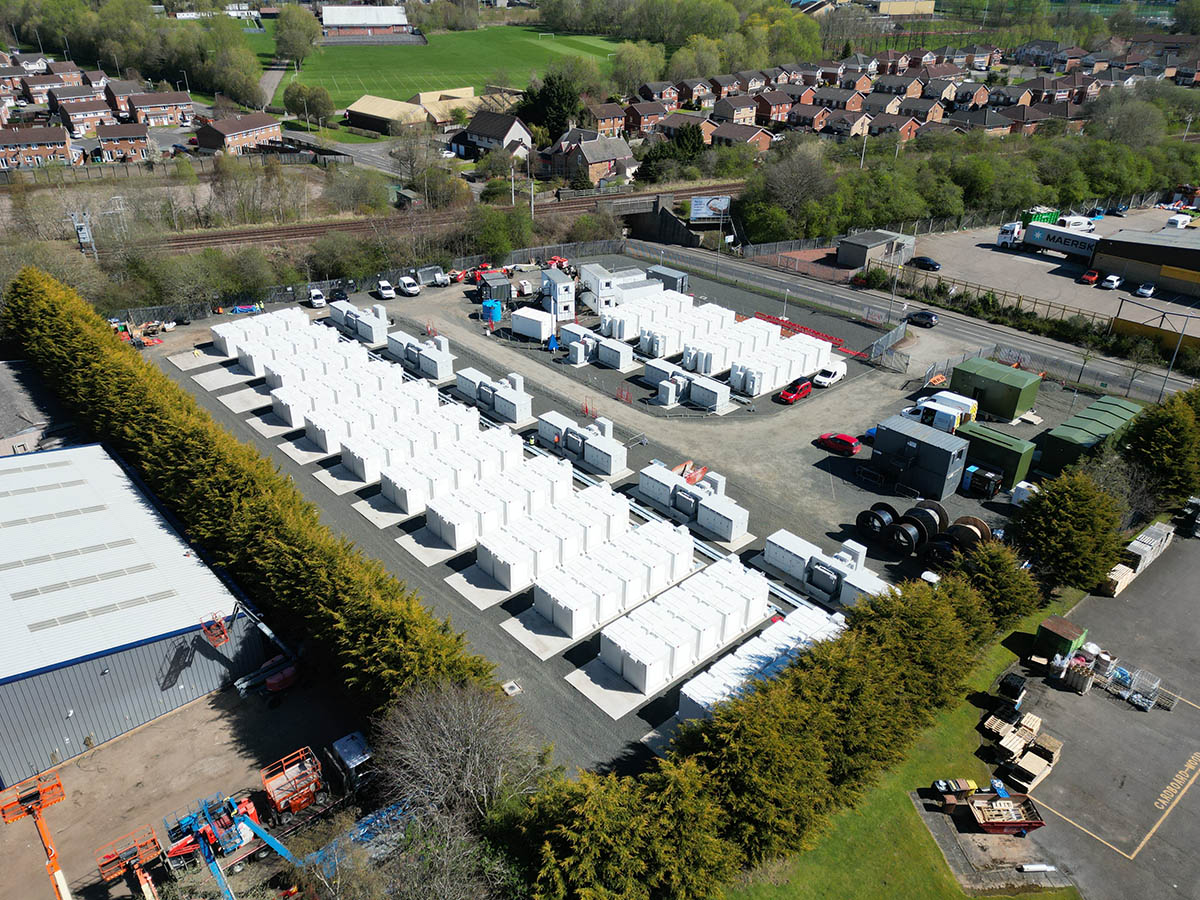
National Grid, the Electricity System Operator (ESO) for Great Britain, is looking for ways to manage constraints on the transmission system caused by the rapid shift to renewable generation. This will in turn increase security of supply for the region around Glasgow and, by increasing the amount of time that wind farms can generate power, reduce costs for consumers.
Through understanding how the power flows in the region will change with the uptake of onshore and offshore wind, Zenobē decided to build a battery at Wishaw. We also decided to provide a Constraint Management Service to the Electricity System Operator – the first time that a battery has done this in the UK.
At 50MW / 100MWh, the Wishaw battery is one of the largest ever constructed in Scotland and is the first to connect directly onto the Transmission network. It will help secure the power for those living close to Glasgow as well as reduce the costs for running the Transmission system. As it is emission free, it will also have significant environmental benefits compared to traditional solutions.
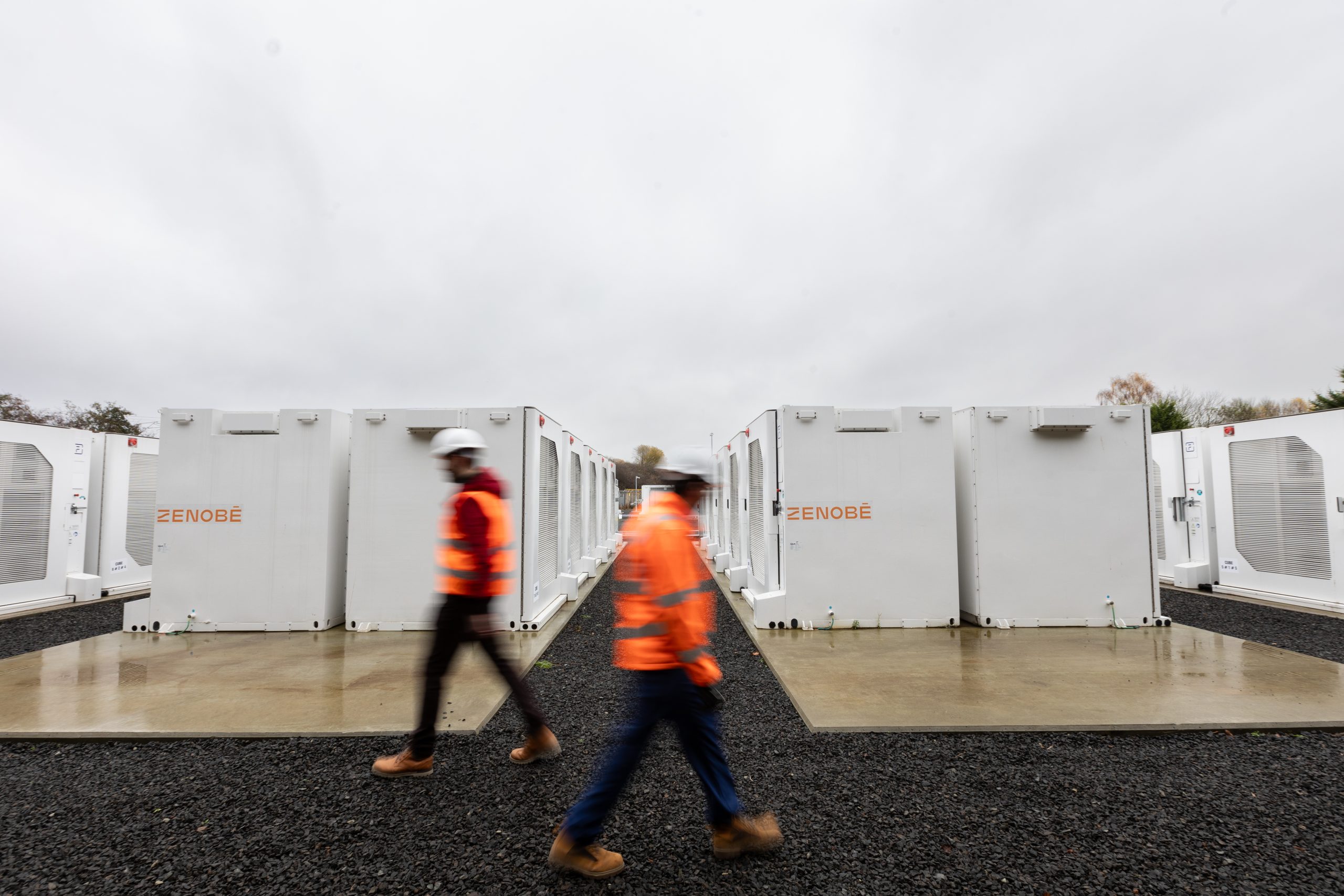

Wishaw became the first battery in the UK to act as a flexibility tool for managing network constraints through National Grid ESO’s Constraints Management pathfinder project. It was also the first battery to connect directly to the transmission system in Scotland.
The battery can store enough wind energy to power over 500,000 homes for two hours, curbing the waste of homegrown renewable energy. By reducing the need for curtailment fees, whereby wind generators are paid to switch off their turbines, the battery at Wishaw will pass on £41m in savings to consumers over 15 years.
* This number was updated on 11/12/24, in-line with our most up-to-date reporting methodology. Learn more here.

Kilmarnock South’s 300MW battery energy storage system delivers grid stability, and cuts curtailment, emissions and fossil fuel reliance in the UK.
Discover how Zenobē’s Portable Power team used commissioning experience and battery expertise to develop an alternative solution to traditional commissioning.

The Blackhillock battery in Scotland is Europe’s largest grid-scale battery, delivering world-first Stability Services to maximise renewable energy use, prevent 2.6 million tonnes of CO₂ emissions, and reduce consumer bills by £170 million.
Thanks for getting in touch – we’ll respond as soon as possible. You can also reach us on contact@zenobe.com

Pete leads Zenobē’s growing team of Product specialists across all areas of the business. His team oversee our R&D as well as product development in both hardware and software.
He has been working in the European E-Mobility sector from over ten years, specialising in the design, build and delivery of software systems for EV Charging.