
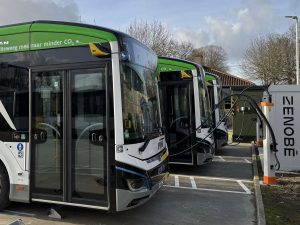
Supporting Belgian bus operators with electrification
Discover how Zenobē is supporting Belgian bus operators with electrification with nearly 70 electric buses across multiple depots.

$800k
projected fuel savings
1,400
tonnes of Co2 emissions avoided
Brinks first attempted to electrify its fleet independently, deploying a small 6-vehicle pilot. While the project succeeded, Brinks recognized that navigating infrastructure complexity, regulatory requirements and scaling challenges required specialist expertise. They partnered with Zenobē to accelerate their electrification program with a larger 25 vehicle deployment.
Working with Zenobē, Brinks’ fleet was deployed in 12 months. The streamlined approach addressed infrastructure constraints, utility upgrades and cost minimization. By combining detailed route analysis, smart charging technology, and Electric-Transport-as-a-Service management, Zenobē enabled Brinks to electrify faster and cheaper than their initial self-performed approach. The expanded project is projected to deliver $800,000 in combined fuel and maintenance savings while avoiding 1,400 tonnes of CO₂ emissions and has established a foundation for national portfolio expansion.


Brinks’ initial 6-vehicle pilot, completed without utility upgrades, proved that in-house electrification was achievable but resource-intensive and complex. For the larger deployment, new challenges emerged:
Zenobē’s expertise became the accelerant Brinks needed. Drawing on lessons from their initial pilot,

The partnership delivered measurable results across multiple dimensions. Zenobē accelerated deployment, bringing 25 vehicles online within 12 months, faster than Brinks’ self-directed timeline. More importantly, both upfront capital and operating expenses were reduced through expert coordination and optimized infrastructure management. The project is projected to generate $800,000 in combined fuel and maintenance savings over the contract term, while avoiding 1,400 tonnes of CO₂ emissions.
Beyond these immediate gains, the project has established a proven, scalable model that Brinks is now expanding nationally, transforming a complex, resource-intensive process into a repeatable pathway for fleet-wide electrification.
Discover how Zenobē is supporting Belgian bus operators with electrification with nearly 70 electric buses across multiple depots.
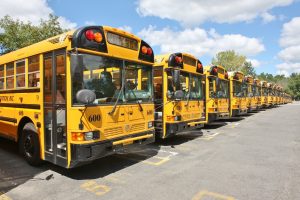
Zenobē partnered with Educational Bus Transportation (EBT), a managed entity of The Trans Group, to finance 10 electric school buses and deliver the associated charging infrastructure for Copiague Public Schools. The project supports New York State’s school bus electrification goals while providing zero-emission transport for approximately 4,500 students and creating a scalable foundation for future fleet expansion.
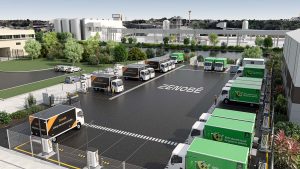
Find out how Zenobē’s latest project has catalysed electric vehicle charging in Mascot, Sydney, not only for a grocery brand but also businesses in the logistics and fleet industries.
Thanks for getting in touch – we’ll respond as soon as possible. You can also reach us on contact@zenobe.com

Pete leads Zenobē’s growing team of Product specialists across all areas of the business. His team oversee our R&D as well as product development in both hardware and software.
He has been working in the European E-Mobility sector from over ten years, specialising in the design, build and delivery of software systems for EV Charging.