
By Julia Meek, Director of Bus – UK | 3-minute read
At first glance, including zero emission buses (ZEBs) in a franchising strategy may seem ambitious, even indulgent, given the already significant costs of transition. Electric buses currently cost up to £300,000 more than their diesel equivalents, and the financial pressures on local authorities are well known. On the surface, it could appear as though we are “gold-plating” the network.
However, taking a longer-term, total cost of ownership view reveals the opposite: that electric buses will, in many cases, be lower cost to the taxpayer than diesel over their full economic life. This is precisely the kind of benefit that a public body with a long-term planning horizon can and should realise.
By committing to electrification, we are not only improving air quality and reducing carbon emissions, we are also building a more efficient, financially sustainable network that delivers better value for money and stronger social outcomes. The savings unlocked can be reinvested into service improvements, expanding access and increasing ridership.
In short: electric buses are not just the greener choice; they are increasingly the better value choice. There are a few key reasons that make this the case:
Total cost of ownership (TCO) analysis has long been used to assess vehicle investments. For buses, this means looking at lifetime costs – purchase, operation, maintenance, and eventual replacement.
Evidence from operators and consultants now supports a Useful Economic Life (UEL) of around 20 years for current-generation electric buses, compared with 15 years for diesel. That additional five years of service can deliver significant lifetime savings by reducing the frequency of vehicle replacement and spreading capital costs across a longer period.
This 20-year lifespan does assume a mid-life refurbishment and a battery replacement, but these are now becoming standard and predictable interventions. While no current-generation electric bus has yet reached 20 years of age, increasing warranty lengths and operational experience suggest that such a lifespan is realistic.
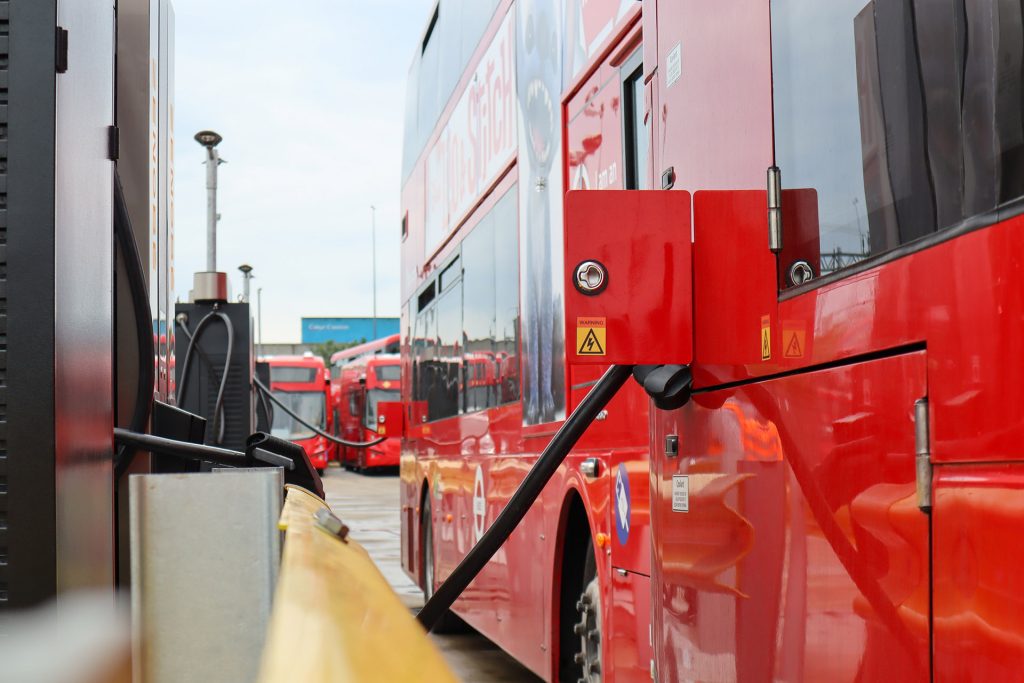
Fuel (or energy) is a major operating cost. Current energy forecasts estimate that running an electric bus costs around £0.21 per mile, compared to £0.49 per mile for diesel.
Electricity costs can be managed further through intelligent energy strategies:
With the right expertise, these measures collectively reduce operational costs without compromising reliability or service quality.
The Bus Services (No. 2) Act includes provisions that would allow the government to restrict or ban diesel buses from 2030. This means that any new diesel bus purchased today risks becoming a stranded asset well before the end of its expected life, eroding its residual value.
Electric buses, by contrast, will hold value longer and remain compliant with future environmental and legislative standards. Their batteries may also retain secondary market value for energy storage applications, further strengthening their business case.
While electrification is usually lower cost overall, there are exceptions — for instance, where grid connections are prohibitively expensive or where exceptionally long routes require additional vehicles.
Costs can also escalate if projects are poorly structured:
A well-designed franchising strategy must therefore balance risk, accountability, and flexibility, ensuring clear ownership of outcomes while maintaining collaborative relationships with operators and infrastructure partners.
For franchising authorities, the question is no longer whether to include zero emission buses, but how to do so in a way that delivers the best public value.
Electric buses represent:
When viewed through this lens, zero emission buses are not an optional enhancement but a core component of a credible, future-proofed franchising strategy.
The next step is ensuring that delivery partnerships and procurement models are structured to realise these benefits in practice, aligning public and private expertise around shared long-term outcomes.
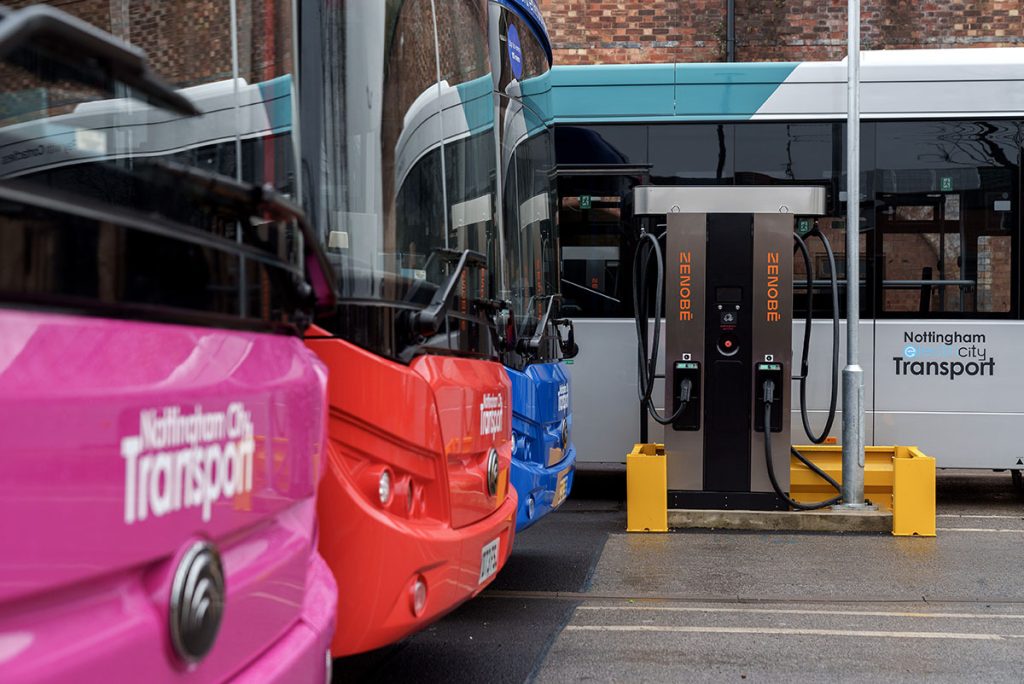
Want to read about a project undertaken for a municipal bus company? Discover how Nottingham City Transport transitioned smoothly to an electric depot, with our expert guidance.
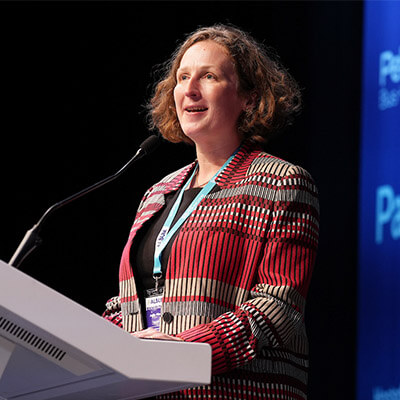
Julia Meek, Director of Bus – UK
Julia’s career has included a range of senior roles at mission-driven start-ups and scale-ups. Prior to joining Zenobē she was Head of Business Development for a UK social enterprise bus operator which included leading on public procurement bids, Chief of Staff at a microfinance organisation in China and co-founder of a social investment resource. She has an MBA from London Business School.

Pete leads Zenobē’s growing team of Product specialists across all areas of the business. His team oversee our R&D as well as product development in both hardware and software.
He has been working in the European E-Mobility sector from over ten years, specialising in the design, build and delivery of software systems for EV Charging.