
Zenobē acquired the consented Branxton BESS project in 2026 and is advancing it as a strategically important energy storage asset on the Scotland-England transmission network.
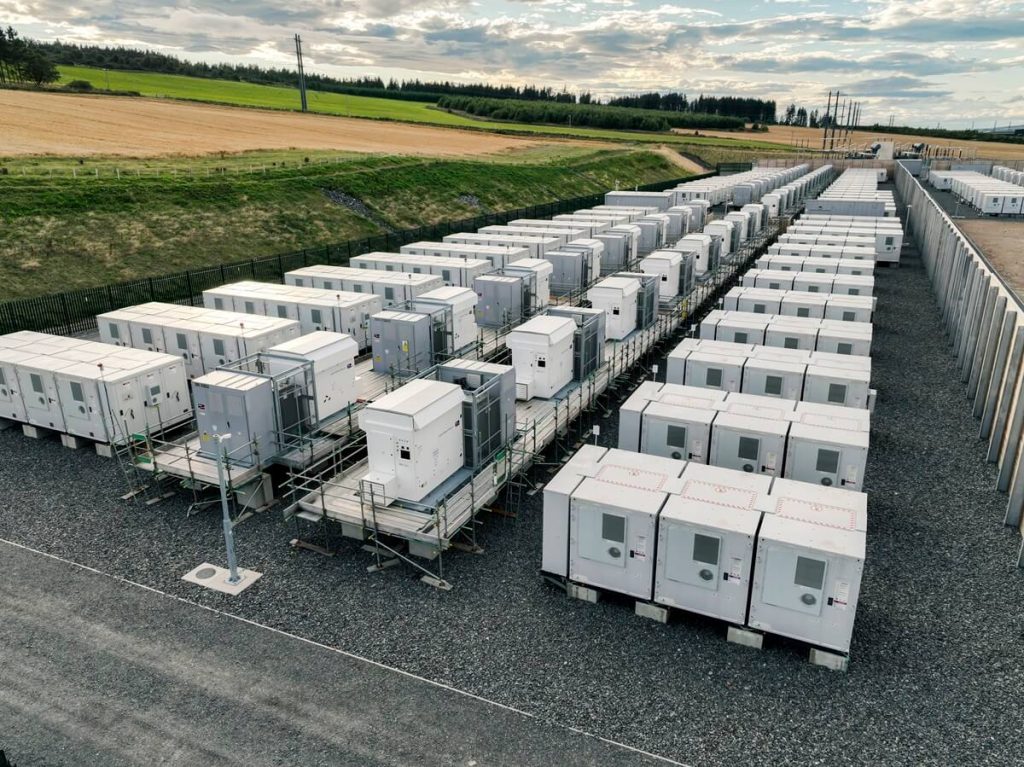
Branxton BESS is a battery energy storage project with a capacity of up to 750MW in East Lothian. Located at a strategically important point on the Scotland-England transmission boundary, the project will support renewable energy integration, reduce curtailment and strengthen the resilience of the electricity network.
Acquired by Zenobē in 2026 from East Coast Grid Services, the project has secured planning consent and is progressing through design and pre-delivery activities ahead of construction in 2028.
Branxton forms part of Zenobē’s continued investment in Scotland’s energy infrastructure, supporting the transition to a more flexible, secure and lower-carbon electricity system.
battery helping reduce
renewable energy curtailment
target
connection date
direct connection to
the transmission network
The site is located in East Lothian near to the Branxton substation development and major electricity transmission infrastructure on the Scotland-England transmission boundary. The site covers approximately 30 acres (12 hectares) located at National Grid Reference 374768, 673428.
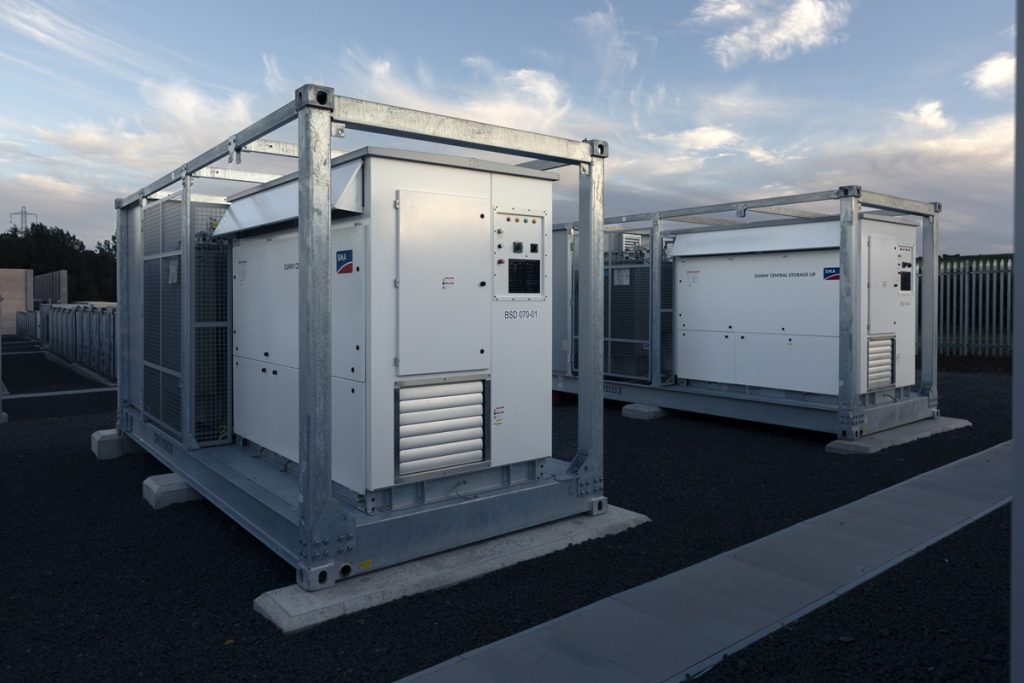
The development comprises the construction and operation of a battery energy storage scheme, with a total capacity of up to 750MW.
The principal components of the development include:
Zenobē is developing proposals for a dedicated construction haul road to support the delivery of the project. Subject to the necessary consents and approvals, the haul road would help minimise construction traffic on local roads, reduce impacts on neighbouring communities and support the safe and efficient construction of Branxton BESS.
The programme below outlines the key stages of the project, from development and construction through to the site becoming fully operational.
Branxton BESS was originally developed by East Coast Grid Services before being acquired by Zenobē in 2026. With planning consent in place, the project will progress through design, procurement activities, land agreements and the discharge of relevant planning conditions ahead of construction.
During this stage, technical, financial and legal due diligence is undertaken to support the project’s investment and delivery programme, while detailed engineering and construction planning continue in preparation for construction.
Zenobē is progressing proposals for a dedicated construction haul road to support the delivery of Branxton BESS.
The proposed haul road is intended to provide a direct route for construction traffic and materials, helping to reduce impacts on local roads and neighbouring communities while supporting the safe and efficient construction of the project.
The construction programme will include site preparation works, the installation of battery energy storage units, transformers and associated electrical infrastructure, and the connection of the facility to the electricity transmission network.
Throughout construction, Zenobē will maintain ongoing engagement with local communities and stakeholders, providing updates on project activities, managing potential impacts and responding to questions and feedback.
Following installation, the battery system and supporting electrical infrastructure will undergo a comprehensive commissioning programme to ensure that all operational, technical and safety requirements are met before entering service.
This will include extensive testing and verification of the battery system, electrical equipment and network connection infrastructure.
Branxton BESS is expected to become operational in 2030, aligned with the delivery of the new Branxton substation and wider electricity network reinforcement works.
Once in operation, the site will provide flexibility, balancing and stability services to support the electricity transmission network, helping to maximise renewable energy generation, reduce curtailment and maintain a secure and reliable electricity system.
The facility will be operated and monitored remotely, requiring only limited routine maintenance visits and vehicle movements.
At the end of its approximately 40‑year operational life, equipment and infrastructure will be removed and, where possible, materials will be reused or recycled. The site will then be restored in accordance with relevant planning and environmental requirements.
Zenobē designs, builds and operates battery energy storage systems (BESS) that maximise the uptake of renewable power, ensuring it does not go to waste and can power our homes and our transport.
Founded in the UK in 2017, we will deliver 1.6GW worth of battery storage projects by 2027.
The Scottish and UK Governments have committed to achieving net-zero carbon emissions. As the transition away from fossil fuels accelerates, electricity demand is expected to increase significantly through the electrification of transport, heating and industry.
At the same time, Scotland continues to play a leading role in renewable energy generation. Battery storage is an essential part of enabling this transition, helping to maximise the use of renewable electricity, reduce curtailment and support the growing flow of clean power across the transmission network.
In addition to storing renewable energy, battery energy storage systems provide critical balancing, flexibility and stability services that help maintain a secure and reliable electricity system without relying on traditional fossil-fuel power stations.
Branxton occupies a strategically important position on the UK’s electricity transmission network at the Scotland-England transmission boundary. The area plays a key role in transporting renewable electricity generated across Scotland to homes, businesses and industry across the UK. As more onshore and offshore wind generation connects to the network, the volume of electricity flowing through this corridor is expected to increase significantly.
Without sufficient flexibility on the network, renewable electricity can be constrained or curtailed when generation exceeds demand or available network capacity. Battery energy storage systems help address this challenge by storing surplus electricity and making it available when it is needed most.
Located alongside major transmission infrastructure, Branxton BESS will help support the integration of increasing volumes of renewable energy while providing the flexibility, balancing and stability services needed to maintain a secure and reliable electricity system. The project will also help reduce reliance on fossil-fuel generation for balancing services and maximise the value of investment in both renewable energy generation and the UK’s electricity network.
As one of Scotland’s largest battery energy storage projects, Branxton will play an important role in supporting Scotland’s and the UK’s clean power ambitions while strengthening the resilience of the electricity system for the future.
Zenobē recognises that East Lothian is playing an important role in the UK’s transition to a low-carbon energy system and that local communities are experiencing a growing number of energy and infrastructure developments across the East Lammermuir area.
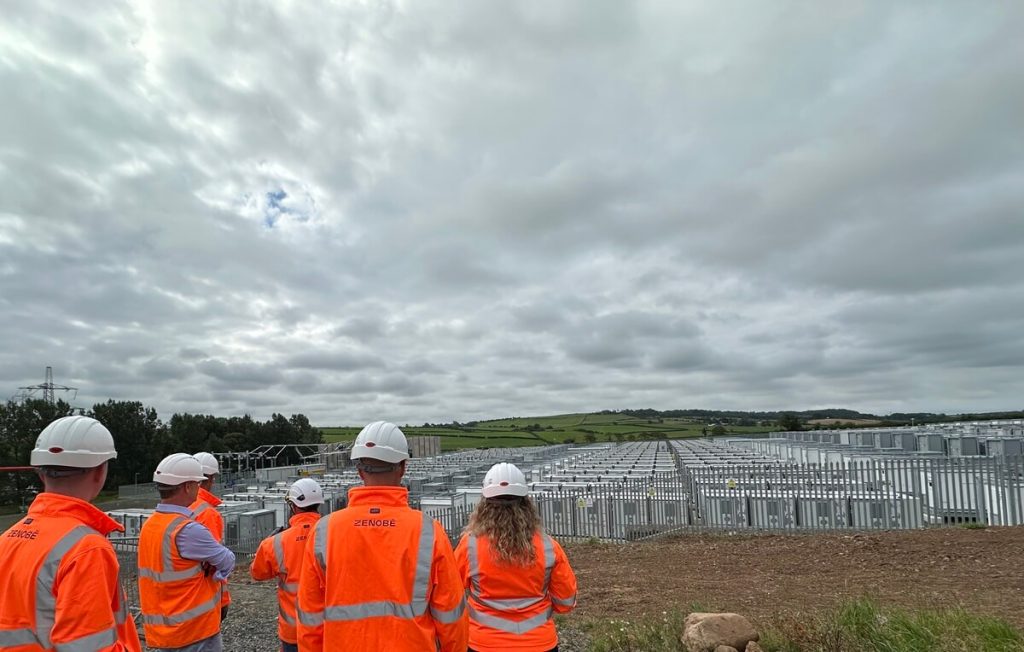
As a signatory to the East Lammermuir Developers’ Principles of Community Engagement, Zenobē is committed to working collaboratively, sharing information, listening to concerns, responding to feedback and helping to create a positive legacy for local communities.
We understand the importance of meaningful engagement in an area where multiple energy projects are being planned, constructed and operated simultaneously. Throughout the development of Branxton BESS and associated haul road proposals, Zenobē will seek to provide clear information, create opportunities for dialogue and work with communities and stakeholders to understand local priorities and concerns.
Alongside ongoing engagement, Zenobē is committed to ensuring that Branxton delivers meaningful and lasting benefits for local communities. A community benefit fund will be established for the project, creating long-term investment in local priorities and community-led initiatives. Further information on the fund’s structure and governance will be shared as the project progresses.
Through both community engagement and community benefit funding, Zenobē aims to create long-term value for the area while supporting the transition to a cleaner, more secure and more resilient energy system.
Renewable energy is intermittent which means at any time there is a risk of it generating too much or too little in relation to demand from homes, businesses and transport.
Batteries provide ‘flexibility’ and the ability to balance the fluctuating supply and demand on the electricity system which comes with increased deployment of renewable and decentralised energy generation. For example, if wind turbines are generating more power than demand allows, batteries store this surplus energy. When wind generation is low but demand is high, battery operators release the stored electricity back into the system, ensuring this energy is not wasted.
Batteries also provide a wide range of additional services needed to maintain grid stability and keep the lights on. Our batteries have been the first in the world to provide fast reserve, to be used for reactive power and to manage grid constraints on the transmission network.
Our bespoke solutions range from ancillary, balancing and wholesale trading, to providing inertia, short circuit level, and voltage management.
Zenobē also provides non-wire alternative solutions that reduce or eliminate expensive network reinforcement costs. These are specific solutions that are essential to a decarbonised electricity system.
We are committed to keeping local communities and stakeholders informed as Branxton BESS progresses. If you have any questions about the project or would like to contact the project team, please get in touch.
If you cannot find the document you are looking for, get in touch with our project development team by emailing ukprojects@zenobe.com

Pete leads Zenobē’s growing team of Product specialists across all areas of the business. His team oversee our R&D as well as product development in both hardware and software.
He has been working in the European E-Mobility sector from over ten years, specialising in the design, build and delivery of software systems for EV Charging.